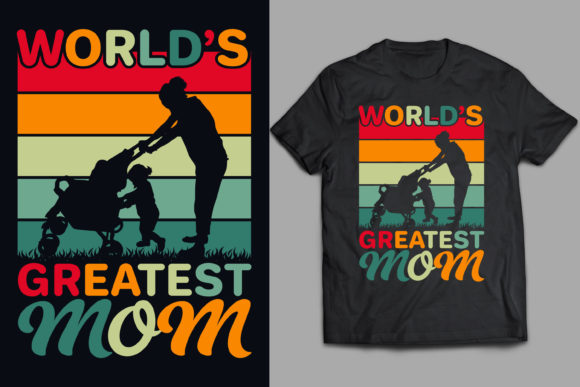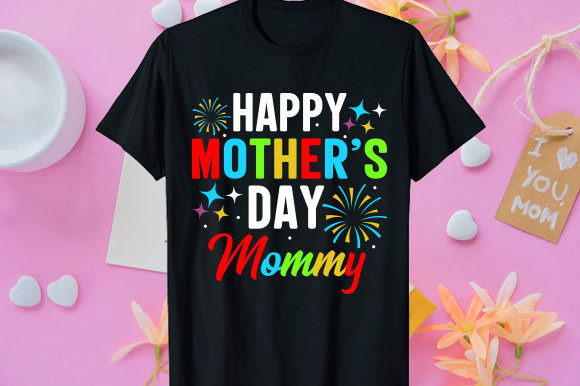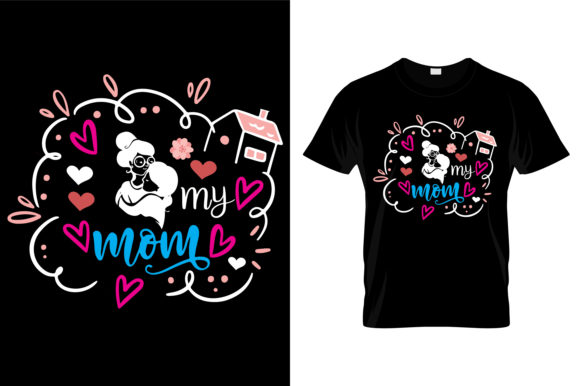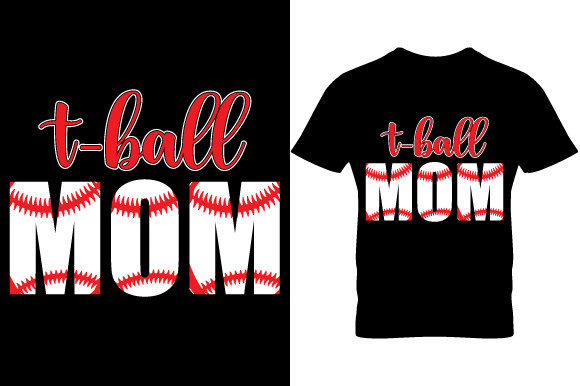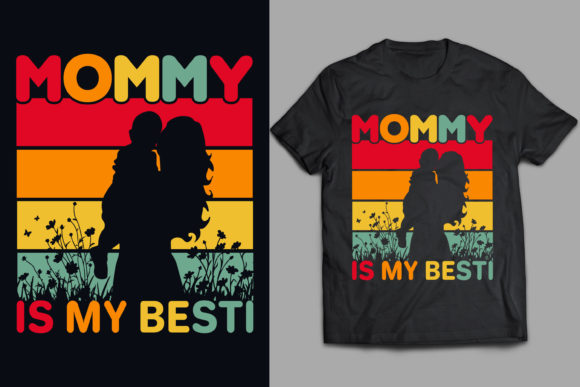
Vintage Mother's Day T-Shirt Design
When I first opened the Vintage Mother's Day T-Shirt Design, I immediately felt that warm, nostalgic pull that makes a handmade gift truly special. The composition has a classic, slightly worn-in charm, like a treasured family heirloom reimagined for modern stitching. It’s not trying to be overly polished or trendy—it leans into a gentle, heartfelt aesthetic that speaks directly to makers who want to sell emotion, not just products. As a designer who regularly tests graphics for embroidery projects, I saw this as a promising candidate for a whole range of Mother's Day themed items, from custom apparel to boutique home decor.
The Vintage Aesthetic That Sells an Emotion
The mood of this design is rooted in soft nostalgia. It brings to mind old-fashioned greeting cards, delicate floral motifs, and typography that feels handwritten yet intentional. The layout likely centers on a graceful combination of script and serif lettering, possibly framed by floral accents or ornamental borders. This is the kind of visual personality that stops a customer mid-scroll on Etsy or at a craft fair—it triggers a personal memory or a desire to give something meaningful. The vintage theme doesn't rely on distressed grunge; instead, it uses smooth curves, balanced spacing, and a gentle rhythm that makes it highly versatile for embroidery.
Visually, the design appears to respect negative space, which is crucial for stitch clarity. The detail level seems moderate—enough to feel rich, but not so intricate that it turns into a muddy mess on textured fabric. That balance is exactly what I look for in a machine embroidery design source file. The fact that it comes as a print template in the Graphics category doesn't limit it; a high-resolution PNG at 4500×5400 pixels and 300 dpi gives me a clean, sharp base to work with when digitizing. The SVG and EPS files offer even more flexibility for rescaling and editing paths before I ever touch a stitch.
Real Project Scenario: A Custom Tote for a Boutique Line
Let me share a real-world example. I was putting together a small collection of Mother's Day gifts for a local boutique, and I needed a design that could carry a tote bag from simple utility to cherished keepsake. I envisioned a natural canvas tote with a deep navy or soft cream background, the embroidery sitting proudly on the front. The Vintage Mother's Day T-Shirt Design felt perfect for this. The retro vibe matched the shop's aesthetic, and the sentiment would resonate with daughters, sons, and grandchildren shopping for a special mom.
In my mind, I could already see the finished product: a sturdy tote with a tactile, thread-rich design that looked like it had been there for years. That’s the power of a well-conceived graphic—it can elevate a blank tote into a personalized gift that feels intentional and premium. I knew I’d need to digitize the design carefully, but the strong foundation of the artwork gave me confidence.
How the Design Translates to Stitches
Digitizing a digital embroidery file from a high-quality PNG or vector is always smoother when the original artwork is crisp. The 4500×5400 PNG at 300 dpi is more than sufficient for mapping out stitch angles. I’d likely use a combination of satin stitch for the lettering to give it that elegant sheen, and a fill stitch with a subtle pattern for any larger floral or decorative elements. The vintage character could be enhanced with a slightly textured fill, perhaps a tatami underlay that mimics the look of worn fabric. Running stitch details would work well for delicate stems or fine outlines.
I always check the smallest elements in the design. If the lettering has thin connecting strokes, those need to be wide enough to hold a stitch without breaking. In my test digitizing, I’d pay close attention to the stitch density—too dense on a tote bag and it can cause puckering; too light and the design loses impact. Since this is a Print Templates asset, it’s essential to remember that the embroidery file must be created from scratch. The supplied files are not stitch-ready, but they are beautiful design assets that make the digitizing process more efficient.
Fabric and Placement Considerations
This design would shine on woven fabrics with a stable surface: cotton canvas totes, linen pillow covers, denim jackets, and sturdy aprons. I’d also confidently place it on a quality sweatshirt or a relaxed-fit t-shirt, but I’d be cautious with overly stretchy knit. A sweatshirt embroidery application requires a proper cut-away stabilizer to prevent distortion. For a tote bag design, a medium-weight tear-away stabilizer usually does the trick.
I’d avoid using this design on highly textured fabrics like terry cloth or fleece, where the vintage details might blur. Small hoop sizes could also be a limitation—the design likely needs a hoop of at least 5×7 inches to maintain legibility, but I’d confirm that before committing. On dark fabrics, the thread color contrast becomes critical. I’d test the design on a scrap of the chosen fabric first, using a thread that pops against the background, perhaps a soft cream on navy or a muted gold on charcoal.
The Impact on Finished Product Value
When a handmade product carries a design like this, it instantly communicates thoughtfulness. The vintage Mother's Day theme positions the item as a keepsake, not just a functional item. For a craft business owner, that means higher perceived value and stronger customer trust. I’ve seen how a well-chosen embroidery design can transform a simple t-shirt into a bestselling personalized gift during the holiday season. This design has that same potential for Mother's Day, whether it’s stitched on a baby onesie for a new mom, a kitchen towel for a grandmother, or a cap for a trendy mom.
Professional presentation matters. A clean, well-digitized embroidery based on this graphic will look crisp in listing photos and printable mockup previews. The consistency of the vintage style across multiple products helps build a cohesive brand, whether you’re an Etsy seller or a small shop owner. The emotional appeal increases giftability, which often leads to repeat buyers and positive reviews.
Practical Designer Notes Before You Stitch
Over the years, I’ve learned that every design, no matter how beautiful, needs a reality check. Here are the steps I take before committing to a final project with a graphic like this:
- Test on scrap fabric first. Use the same fabric and stabilizer as your final product.
- Check thread color contrast against light and dark backgrounds. A color that looks great on screen may blend or disappear on fabric.
- Review stitch density in your digitizing software. Adjust for the fabric type to avoid stiffness or puckering.
- Confirm hoop size. The design must fit comfortably in your machine’s hoop without crowding the edges.
- Inspect small details. Zoom in to ensure thin lines, dots, and serifs are at least 1.5–2 mm wide to stitch cleanly.
- Test a black and white mockup. This helps you see how the design reads without color, which is useful for single-color embroidery or monochromatic projects.
- Use proper stabilizer. For wearables, I prefer cut-away; for flat items, tear-away is often fine.
- Check licensing. The product description states you receive SVG, EPS, and PNG files compressed in a ZIP. Before using the design for commercial embroidery or selling finished items, verify the license terms. Some graphics are intended for personal use only, so always read the fine print.
- Extract the ZIP files with Win ZIP, WinRAR, or similar software. The high-resolution PNG is a great starting point for tracing, and the vector files allow for spotless scaling.
These precautions aren’t optional—they’re the difference between a beautifully crafted embroidered patch or custom apparel piece and a disappointing result that wastes time and materials.
Where This Design Shines Brightest
After spending time with the artwork, I believe the Vintage Mother's Day T-Shirt Design is a smart choice for makers who want to create heartfelt, saleable items. Its strength lies in the emotional connection it builds. It’s ideal for holiday embroidery projects, boutique baby embroidery gifts, and home decor like pillow covers and tea towels. The design’s versatility means you can adapt it across multiple product types without losing its charm.
For creative entrepreneurs and apparel decorators, this graphic offers a solid foundation for a Mother's Day collection. Just remember that it’s a design asset, not a ready-to-stitch file. With careful digitizing and material selection, you can turn it into a finished product that feels genuinely personal and lovingly crafted. That’s the kind of work that builds a loyal customer base and keeps your small shop product lineup fresh and meaningful.