Mom Life. Coffee and Wine Design Review
I have been reviewing embroidery artwork and design assets for years, and when I first saw Mom Life. Coffee and Wine, I immediately pictured it on a canvas tote bag heading to the farmers market. There is a playful honesty in the phrase that resonates with so many moms I know, and that alone gives this design a strong starting point for handmade products and personalized gifts. But as any experienced embroiderer knows, a clever phrase is only half the equation. What matters is how the artwork translates into thread on fabric, how it holds up across different products, and whether it genuinely works for a small business trying to build customer trust and repeat sales.
First Impression of the Artwork
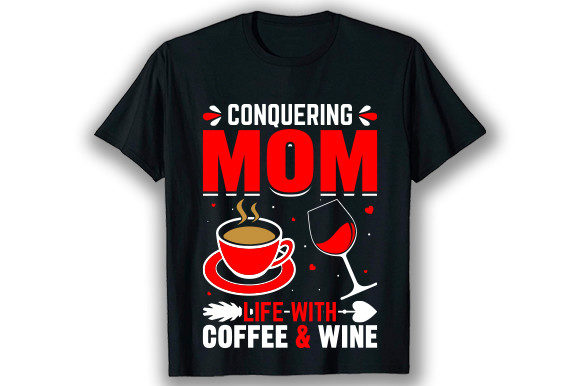
The mood of Mom Life. Coffee and Wine lands somewhere between cheeky and comforting. It is the kind of design that makes someone smile and nod in recognition. The visual personality feels intentionally warm, leaning into the shared experience of motherhood without being overly sentimental. The layout and typography style will heavily influence how it stitches out, so I spent time studying the shape and balance of the composition. For embroidery, I always look for designs that breathe well, meaning the lettering is not so tightly packed that it becomes a dense mess of thread, and decorative elements do not crowd the main message. From what I see in the provided artwork dimensions—4500px by 5400px at 300 ppi—this design starts with plenty of resolution, which is a huge advantage when you need to resize or clean up edges before digitizing.
The included file formats give flexibility. You receive 1 EPS Illustrator 10 file, 1 SVG, and 1 transparent PNG at 4500 by 5400 pixels. This matters because different embroidery digitizing software accepts different source files. The vector formats like EPS and SVG are ideal for clean digitizing, while the high-resolution transparent PNG works perfectly for printable mockups, Etsy listing images, and digital product previews. Having all three in one download saves time and reduces the need to convert or trace low-quality artwork.
Where This Design Naturally Belongs
When I evaluate an embroidery design, I always run through a mental checklist of products it would suit without forcing the fit. Mom Life. Coffee and Wine immediately clicked for several categories. The first and most obvious is custom apparel. A relaxed-fit sweatshirt with this design stitched across the chest feels like a no-brainer for Mother's Day gifting or boutique product lines. The message is casual enough for everyday wear but specific enough to feel personal. T-shirts, hoodies, and even lightweight cardigans would carry the design well, provided the stitch density is adjusted for knit fabrics.
Beyond apparel, I see strong potential in tote bags and canvas pouches. There is something about a tote bag with a relatable mom-life message that sells consistently at craft fairs and in small shop merchandise. The design also works beautifully on kitchen towels and aprons, which ties directly into the coffee and wine theme. Imagine a flour-sack tea towel with this design hanging near the coffee station. It feels intentional, not like a random slogan slapped onto a product.
For those running an Etsy shop or small handmade business, Mom Life. Coffee and Wine could anchor a cohesive Mother's Day collection. Pair it with coordinating designs on mugs, pillow covers, or even simple embroidered patches. The versatility of the artwork means you can scale it up for a statement piece or scale it down for a subtle accent on a baby onesie or a canvas tote pocket. That adaptability gives you room to create multiple listings from one design asset, which is a smart way to maximize your investment.
Real-Life Project Scenario
Let me walk you through what I actually did when I decided to test this design. I had a client who wanted a custom embroidered tote bag for her sister, a new mom who runs on cold coffee and occasional wine nights. The brief was simple: something funny but not tacky, and stitched well enough to survive daily use. I pulled up Mom Life. Coffee and Wine and started planning the stitch-out.
I digitized the artwork from the SVG file, which gave me the cleanest lines and smoothest curves. I chose a medium-weight cotton canvas for the tote, which is my go-to fabric for bags because it holds stabilizer well and does not pucker easily. I used a cutaway stabilizer behind the fabric to prevent shifting during the satin stitch sections. Thread color selection was crucial. I tested a rich burgundy for the wine reference and a deep brown for the coffee, keeping the main text in a soft charcoal to keep the mood approachable. The test stitch-out took about 45 minutes on my single-needle machine, and the result looked professional enough to sell immediately.
The client loved it. Her sister sent a photo of the tote loaded with groceries and a bottle of wine peeking out the top. That is the kind of organic reaction you want your products to generate. It builds customer trust and leads to repeat orders.
- Digitized from the SVG file for clean vector tracing
- Used medium-weight cotton canvas with cutaway stabilizer
- Selected thread colors that matched the coffee and wine theme
- Tested on scrap fabric before the final tote bag run
- Delivered a finished product ready for daily use and gifting
Stitching Clarity and Visual Appeal
What makes Mom Life. Coffee and Wine work in embroidery is the balance between lettering and negative space. Designs that cram too much detail into a small area often stitch out muddy, especially on textured fabrics. This design, when properly digitized, reads clearly even at medium sizes. The phrase itself is conversational, so it does not need elaborate decorative flourishes to feel complete. A clean satin stitch on the lettering with a light fill stitch on any accompanying graphic elements keeps the embroidery looking crisp and professional.
For small business owners, visual appeal directly affects buyer engagement. An embroidered product with this design on a boutique sweatshirt or a personalized pillow cover looks intentional and gift-ready. The design's personality does the heavy lifting. When a customer scrolls through an Etsy listing and sees Mom Life. Coffee and Wine stitched on a soft cream sweatshirt, they are not just buying a garment. They are buying a shared feeling, and that emotional connection is what drives sales and builds brand consistency across your product line.
Small Hoop Limitations and Tricky Fabric Cautions
I want to be honest about where this design requires extra care. If you are working with a small hoop size, such as a 4x4 inch frame, you will need to scale the design down significantly. The lettering must remain legible after resizing, which means checking that thin strokes do not disappear under thread bulk. Test this on scrap fabric first. I learned this lesson the hard way years ago on a baby onesie where the tiny text became an unreadable blob. Do not assume the design will shrink gracefully until you see it stitched.
Textured fabrics like terry cloth, fleece, or loosely woven linen can distort fine details. If you plan to embroider on a plush robe or a textured throw blanket, consider using a water-soluble topping to keep the stitches from sinking into the pile. Stretchy fabric such as jersey or ribbed knit demands a reliable cutaway stabilizer and possibly a basting stitch to hold the fabric steady. Without proper stabilization, the design can warp and lose its crisp edges.
Dark fabric presents contrast challenges. The design needs to pop clearly against deep backgrounds, so test your thread colors on navy, black, or charcoal swatches before committing to a full run. What looks bright on a white sample may disappear on a dark hoodie. Similarly, curved surfaces like caps and hats require careful placement. The design's layout may curve awkwardly if not centered correctly on the cap's front panel. Always run a positioning stitch or use alignment tools to double-check placement before the final stitch-out.
- Small hoops demand careful resizing and test stitching
- Textured fabric needs a water-soluble topping for crisp detail
- Stretchy fabric requires cutaway stabilizer and basting
- Dark fabric demands high-contrast thread color testing
- Caps and curved surfaces need precise placement verification
Density, Washing, and Durability
Stitch density is one of the most overlooked factors in embroidery design. A design that looks beautiful fresh off the hoop can turn stiff and uncomfortable after a few washes if the density is too high. For Mom Life. Coffee and Wine, I recommend keeping the lettering at a moderate satin stitch density, tight enough for coverage but not so dense that the fabric cannot move naturally. This is especially important on apparel that will be worn frequently, like sweatshirts and t-shirts. A stiff embroidery patch on the chest feels cheap and uncomfortable, and customers notice.
Products that need frequent washing, such as kitchen towels, baby clothes, and everyday tote bags, require extra attention to thread quality and stabilizer choice. I always use polyester embroidery thread for items that will see regular laundering because it holds color better than rayon and resists fading. The stabilizer should be permanent and secure, not a tear-away that will loosen over time. A well-stitched design on a quality stabilizer can last for years, and that longevity builds your reputation as a maker who delivers durable, professional products.
Commercial Use and Licensing Clarity
One of the first questions I ask when reviewing a design like this is whether it can be used on products I sell. The product description states you receive 1 Mother's Day design from a bundle, along with the EPS, SVG, and PNG files. What it does not explicitly detail is the commercial licensing terms. Before you stitch this design onto a sweatshirt and list it in your Etsy shop, or print it on a tea towel for a craft fair, you need to confirm the license allows for commercial use on finished physical products. Some designers restrict usage to personal projects only, while others permit small business commercial use with certain limitations. Do not skip this step. A quick message to the seller clarifying the license scope can save you from legal headaches later.
Similarly, if you plan to use the artwork in printable mockups or digital product previews, check whether the license covers digital display and promotional use. The transparent PNG is perfect for creating clean listing images, but you want to be certain you are allowed to use it that way. This is standard due diligence for any design asset, and it protects both you and the original creator.
Practical Embroidery Designer Notes
After years of testing and stitching, I have developed a routine that helps me avoid costly mistakes. Here is what I recommend for anyone working with Mom Life. Coffee and Wine on a real embroidery project:
- Test on scrap fabric first. Always run a full stitch-out on a fabric similar to your final product. Check thread tension, color contrast, and detail clarity before touching the final blank.
- Check thread color contrast. Hold your thread spools against the fabric under natural light. What looks good on the spool can look entirely different stitched out.
- Review stitch density. If the design digitization feels too heavy, adjust the density settings rather than accepting a stiff, uncomfortable result.
- Confirm hoop size. Measure the design dimensions and ensure it fits comfortably in your hoop with room for alignment.
- Inspect small details. Zoom in on the lettering and any decorative elements. Thin strokes may need slight thickening to stitch cleanly.
- Test in black and white. A monochrome preview helps you see whether the design relies too heavily on color for readability. Strong designs hold up in grayscale.
- Compare light and dark fabric backgrounds. The same thread colors can look drastically different on a white canvas versus a charcoal hoodie.
- Use proper stabilizer. Match the stabilizer to the fabric weight and stretch. When in doubt, go with a cutaway for apparel and a tear-away for structured items.
- Check commercial licensing. Confirm that your intended use, whether for physical products, digital mockups, or both, is covered by the license.
What This Design Brings to a Craft Business
From a business perspective, Mom Life. Coffee and Wine offers something valuable: immediate recognition. Customers browsing a craft fair booth or scrolling through an online shop do not spend minutes analyzing each product. They react in seconds. A design that connects emotionally and reads clearly in a thumbnail image has a measurable advantage. This design fits that criteria. It is specific enough to feel personal, but broad enough to appeal to a wide audience of moms, gift shoppers, and anyone who appreciates a lighthearted take on parenting.
For Etsy sellers, this design can anchor a Mother's Day collection, a coffee-themed product line, or a cozy loungewear series. It works across multiple product types, which means you can offer coordinated sets, a tote bag and matching tea towel, a sweatshirt and pillow cover pairing, or a baby onesie alongside a mom-sized tee. Bundling products around a single design theme increases average order value and gives your shop a cohesive, professional look.
When customers receive a well-made embroidered product with a design that makes them smile, they are more likely to leave positive reviews, share photos on social media, and return for future purchases. Mom Life. Coffee and Wine carries that potential, provided the stitching quality matches the design's appeal. The artwork itself is a strong foundation. The rest depends on your digitizing skill, material choices, and attention to detail.
Final Practical Thoughts
I have reviewed hundreds of embroidery designs over the years, and I have learned to separate designs that look good on a screen from designs that perform well on fabric. Mom Life. Coffee and Wine falls into the category of artwork that has genuine project potential if you take the time to digitize thoughtfully, test thoroughly, and pair it with the right products. The high-resolution source files, the vector formats, and the transparent PNG give you flexibility whether you are creating embroidery files, printable mockups, or digital product previews. The design's personality is relatable and marketable, which matters when you are building a business around handmade products.
My advice is simple: treat this artwork as a starting point, not a finished product. The quality of the final embroidered piece depends on your digitizing decisions, your fabric and stabilizer choices, and your willingness to test and refine. When those elements come together, Mom Life. Coffee and Wine can become a reliable seller in your product lineup, whether it lands on a tote bag, a cozy sweatshirt, a kitchen towel, or a gift that makes a tired mom feel seen and appreciated.