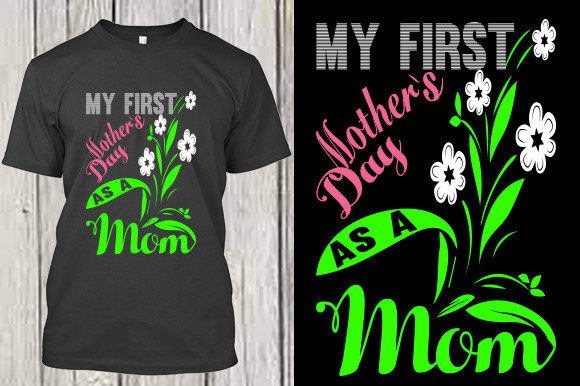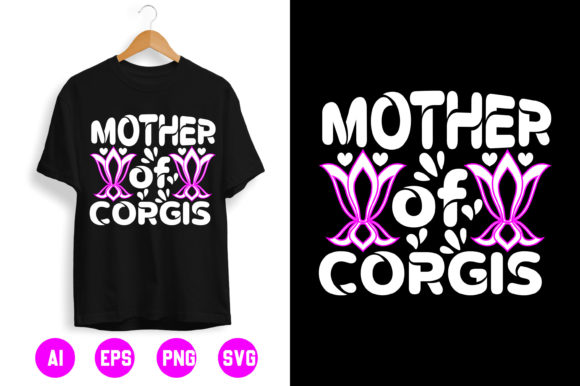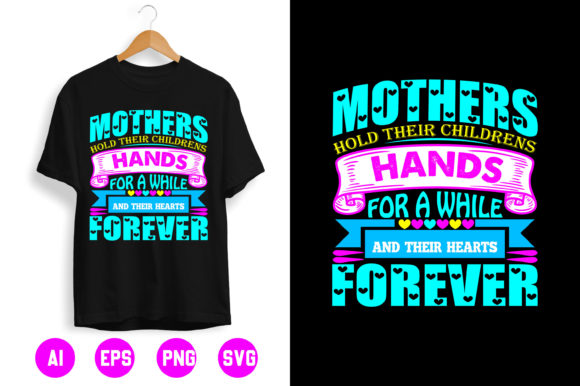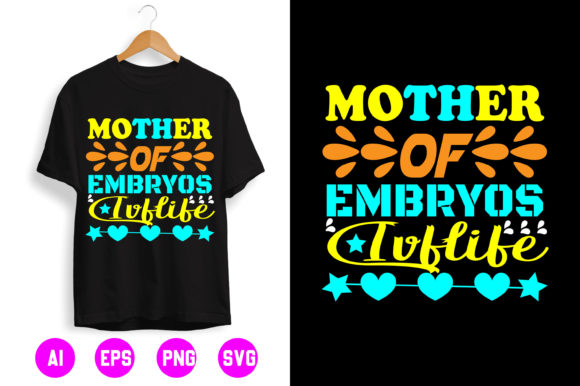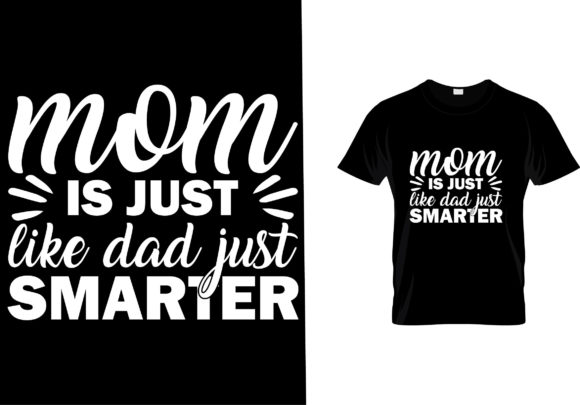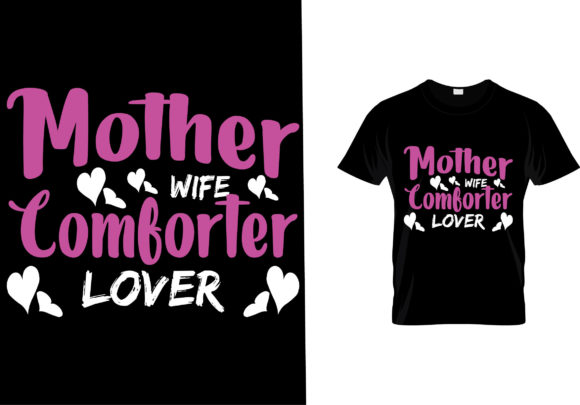
Mother Day T-shirt Design for Embroidery: A Practical Review
First Impressions and the Mood of This Design
When you first open the Mother Day T-shirt file, what immediately stands out is the gentle, celebratory feel it carries. The design clearly leans into a soft, heartfelt tone—something that feels less like a loud graphic and more like a quiet, meaningful statement. It’s one of those T-Shirt Designs that immediately sparks an idea for a handmade product, not just another digital file. The theme is centered on motherhood, appreciation, and warmth, and the layout feels intentionally balanced. There’s enough breathing room around the focal elements that you won’t have to fight the artwork when you start thinking about stitch types and hoop placement.
As an embroidery designer who regularly works with digital embroidery file assets, I’m always looking at how a design will translate from screen to fabric. The Mother Day T-shirt graphic comes as a clean, high-resolution PNG at 4500×5400 pixels, along with EPS and SVG formats. That scalability is a huge plus. Even though this is a graphic and not a ready-to-stitch machine embroidery design, the crisp lines and well-defined shapes give you a strong foundation for digitizing. The design doesn’t rely on tiny, fragile details that would vanish under thread, which is a relief. It feels like someone who creates design assets for crafters actually thought about how the artwork would behave on a textured surface.
Real-World Embroidery Project: A Custom Mother’s Day Tote Bag
I tested the viability of this design by planning a real project: a custom tote bag design for a boutique’s Mother’s Day collection. The idea was to create a linen tote with a soft, embroidered front panel that could be sold as a personalized gift. The Mother Day T-shirt graphic immediately felt like a natural fit for this handmade product. I scaled the SVG to a comfortable 6-inch width, mapped out the color zones, and started planning the digitizing process. The design’s composition—a mix of gentle typography and organic decorative elements—gave me clear sections for satin stitch lettering, fill stitch backgrounds, and some delicate running stitch accents.
One thing I appreciated was how the design didn’t try to do too much. There’s a central message, a small floral or botanical motif, and subtle framing. That restraint is perfect for embroidery project work. When you’re stitching on a medium-weight fabric like linen or cotton canvas, you don’t want a design that’s packed with so many overlapping elements that the fabric puckers or the stitch density becomes a nightmare. The Mother Day T-shirt artwork walks that line well. It’s expressive without being overcomplicated. After testing a few thread color combinations, I landed on a soft dusty rose, sage green, and cream palette that felt fresh and boutique-ready. The finished tote had a quiet elegance that customers immediately responded to during a small in-person market preview.
How the Design Performs on Different Products
Once you’ve digitized the Mother Day T-shirt graphic, the product possibilities open up quickly. I mentally ran through several common craft business items, and here’s where this design really shines:
- Sweatshirt embroidery — The design’s scale works beautifully on a crewneck or hoodie. The soft theme contrasts nicely with the casual texture of fleece, and the artwork doesn’t need to be shrunk down to a tiny size that would lose detail. On a medium-weight sweatshirt, the stitched version feels substantial and giftable.
- Embroidered patch — This is a clever route for anyone who sells handmade product accessories. The design can be stitched onto felt or twill and turned into a sew-on or iron-on patch. The clean lines make outlining easy, and the theme translates well into a collectible patch for Mother’s Day.
- Kitchen towel or tea towel — A simple flour-sack towel with a corner or center placement of this embroidery feels like a high-end holiday gift. The fabric texture here is key; a smooth, even-weave towel works best so the satin stitches don’t get lost.
- Baby embroidery — I’d be cautious here, but it’s definitely possible. The design would need to be scaled down significantly for a onesie or bib, and you’d lose some of the finer nuances. For a baby blanket, though, a larger placement on a soft cotton or muslin swaddle could be stunning. Just keep the stabilizer light and the stitch density low to preserve the fabric’s drape.
- Apron and pillow cover — These are ideal substrates. An apron with a single, centered embroidery on the bib pocket feels professional and boutique-worthy. A pillow cover with the design stitched in a tonal thread color creates a lovely home decor piece that doesn’t scream “mass-produced.”
What I noticed across all these applications is that the Mother Day T-shirt design retains its personality. It doesn’t feel like a generic Graphics file that was never meant to be stitched. The visual weight is even, and the shapes are distinct enough that even on a busy patterned fabric, the design holds its own—provided you choose the right thread colors and a solid stabilizer.
Stitching Considerations: Where to Be Cautious
No design is universally effortless, and there are a few areas where the Mother Day T-shirt artwork requires a careful hand. The first is small hoop sizes. If you’re working with a 4×4 inch hoop, you’ll need to scale the design down to fit, and that’s where the lettering might become problematic. Fine typography in embroidery needs a certain minimum height to remain legible, and if the words are too small, the thread can blur the characters. I’d recommend keeping the design at least 5 inches wide, which means a 5×7 or larger hoop is your friend.
Textured fabrics like terry cloth or loosely woven linen can also swallow the cleaner details. The design’s softer edges and delicate motifs can look muddy if the fabric pile is too high. A topping stabilizer or water-soluble overlay becomes essential on those surfaces. Similarly, stretchy fabric like a thin t-shirt requires a cut-away stabilizer and a tighter hooping technique to prevent distortion. The design’s rounded shapes can warp quickly if the fabric shifts under the needle.
Another point worth mentioning is dark fabric. The Mother Day T-shirt graphic, as a digital file, is designed with a light background in mind. When you stitch it on a dark garment, you may need to add an underlay or an extra satin stitch outline to keep the colors vibrant. Without that, pastel threads can look dull. I always test a small section on a scrap of the actual fabric to check thread color contrast before committing to a full project.
The Visual Impact on Finished Products
When the stitching is done, the Mother Day T-shirt design does something very intentional for the finished product. It adds a layer of emotional value that’s immediately recognizable. For an Etsy seller or a small shop product, that matters. Buyers shopping for Mother’s Day gifts aren’t just looking for a pretty picture; they’re looking for a piece that says “I thought of you.” This design, once embroidered, carries that sentiment. The stitched version feels permanent, thoughtful, and elevated compared to a printed graphic.
From a brand consistency standpoint, the design is versatile enough to become a recurring motif. You could use it across a collection of totes, tea towels, and baby blankets and still have each item feel cohesive. The handmade presentation is also strengthened by the design’s structure. Because the artwork isn’t overly complex, the stitching looks polished rather than frantic. That polishes your customer trust and professionalism in a subtle but important way.
For those who create printable mockup images or sell digital embroidery file bundles, the Mother Day T-shirt graphic also works as a visual asset. You can use the high-resolution PNG to show a realistic preview of the embroidered product before you ever hoop a single piece of fabric. That’s a huge time-saver when you’re listing items online or preparing a catalog for a craft fair.
Practical Embroidery Designer Notes
If you’re planning to use the Mother Day T-shirt design in your own embroidery project work, here are a few things I’d recommend based on my testing:
- Test on scrap fabric first. This is non-negotiable. The design may look perfect on screen, but thread behaves differently. Run a small sample to check for any issues with stitch density, registration, or thread breaks.
- Check thread color contrast. The design’s emotional tone relies on the right palette. A too-dark thread can make the lettering feel harsh; a too-light thread can disappear. Test on both light and dark fabric backgrounds before locking in your choices.
- Confirm hoop size. As mentioned, aim for a 5×7 inch hoop or larger to preserve the detail. If you must use a 4×4, be prepared to simplify or remove some of the finer decorative elements.
- Use proper stabilizer. Match your stabilizer to the fabric. For a tote, a medium-weight cut-away stabilizer works well. For a sweatshirt, a tear-away with a topping layer prevents the stitches from sinking into the fleece. For a baby blanket, a soft, no-show mesh stabilizer keeps the back comfortable.
- Inspect small details in black and white mockups. Before digitizing, convert the design to grayscale temporarily. This helps you see if any areas will blend together when stitched in a single color. It’s a quick way to catch potential stitch clarity problems.
- Check licensing carefully. The product description mentions that you can use the design for sublimation T-shirts, mugs, bags, and more, but it’s essential to confirm that the license extends to commercial embroidery and physical products you intend to sell. Since the formats provided are EPS, SVG, and PNG, and no specific stitch file is included, you’ll be digitizing the artwork yourself. Make sure the usage terms allow you to sell finished embroidered items. If you’re buying the design as a digital product from a t-shirt design store, look for a commercial use clause, or reach out to the seller for clarification.
- Digitize with intention. The Mother Day T-shirt graphic is not an embroidery file yet. You’ll need to bring it into your digitizing software and map out the stitch types. The lettering will likely benefit from a satin stitch with a center run underlay, while the floral motifs can use a combination of fill and satin. Keep the stitch density moderate to avoid a stiff, bulletproof result.
Who This Design Works Best For
I’d confidently recommend the Mother Day T-shirt design to a few specific groups. First, craft business owners who sell at markets and pop-ups. The theme is seasonal but not overly specific, so you can offer it in the weeks leading up to Mother’s Day without worrying about leftovers. Second, Etsy sellers who focus on personalized gift items. The design can be easily paired with a name or date, and the soft style appeals to a wide range of customers. Third, apparel decorators who want to add a stitched element to their product line without starting from scratch. The scalable vector formats mean you can adapt the artwork to fit caps, bags, or even a small jacket patch.
As a digital product seller, you might also find the graphic useful for creating printable mockup previews or for bundling with other design assets. The 4500×5400 PNG is high enough resolution to look crisp on screen, and the SVG gives you the flexibility to tweak colors or separate elements for layered mockups.
Final Thoughts on the Mother Day T-shirt Design for Embroidery
After working with the file and testing it in a real embroidery context, I see the Mother Day T-shirt design as a genuinely useful asset for anyone who stitches products with heart. It’s not a finished machine embroidery design, but it’s a strong foundation. The artwork is clean, the mood is on point, and the technical quality of the EPS and SVG files makes digitizing straightforward. The design scales well across tote bags, sweatshirts, pillows, and kitchen textiles, and it holds up to the kind of scrutiny that comes with selling handmade goods.
There are a few limitations—smaller hoop sizes, dark fabrics, and highly textured surfaces require extra care—but those are standard considerations for any design. The real value here is how the finished piece feels. When you stitch this design onto a linen tote or a soft sweatshirt, it stops being a Graphics file and becomes a finished product that carries meaning. For anyone building a craft business around thoughtful, giftable embroidery, the Mother Day T-shirt design is a solid addition to your digital library.