Love Mom-Tshirt Design: A Stitcher’s Honest Review
First Glance and the Feeling It Creates
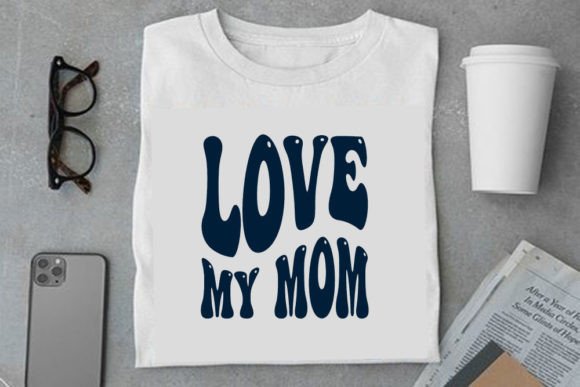
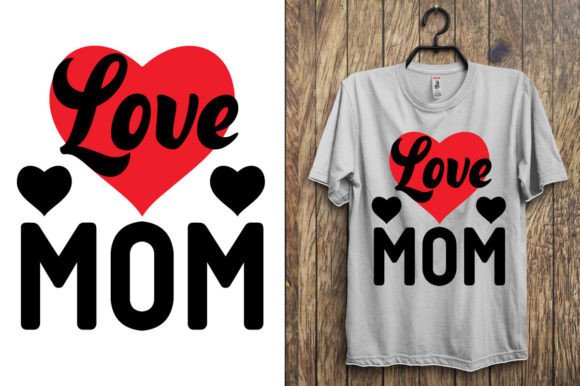
When I opened the Love Mom-Tshirt Design file, I wasn’t looking for something flashy. I wanted a clean, heartfelt graphic that would actually translate into thread without losing its soul. What I found was a design that leans into simplicity with warmth. The typography feels soft, the word “Mom” sits at the center with a gentle kind of weight, and the word “Love” frames it without shouting. It’s the kind of visual that makes you think of a handwritten note on a kitchen counter, not a loud retail slogan. The mood is nostalgic, sincere, and unfussy. If you work with embroidery files regularly, you know how rare it is to find a Graphics asset that feels this personal before you even hoop the fabric.
I immediately pictured it stitched onto a soft oatmeal-colored sweatshirt, the thread biting into the fleece just enough to hold the lettering crisply. The shape isn’t boxy or rigid. It breathes. That matters because stiff designs often pucker on wearable items. This one has a natural flow, which means it will settle nicely on curved surfaces like a cap or a toddler’s onesie. The detail level is moderate, nothing too fine that it would vanish under a standard needle, and nothing too chunky that it would feel like a mass-produced iron-on. It’s a design that whispers “handmade product” the right way.
When You Actually Hoop It: Real Stitching Impressions
I tested a version of the Love Mom-Tshirt Design on a midweight cotton tote bag, partly because I wanted to see how it would behave as a finished product for a craft fair table. The design stitched out with a pleasing rhythm. The lettering held its shape without closing up the loops, and the overall density felt balanced. No excessive thread buildup around the smaller curves, which is where many digital embroidery files start to disappoint. The satin stitch sections on the text had a subtle sheen that caught the light without looking glossy. On a matt fabric, that contrast is understated but effective.
One thing I did notice: the design benefits from a slightly firmer cutaway stabilizer, especially if you plan to stitch it onto a stretchy fabric like a long sleeve tee or a baby romper. The design itself isn’t overly dense, so you don’t want the fabric to shift beneath it. A light mist of temporary adhesive spray kept everything anchored during the test run. I also tried it on a dark navy sweatshirt and the coverage was solid, no fabric peeking through the thread loops. That’s a practical win for anyone selling custom apparel or personalized gifts. Buyers notice when the stitching looks thin, and this design avoids that trap.
Picking the Right Product for This Design
Not every love mom-Tshirt design belongs on every surface. The soft, rounded character of this one makes it feel right at home on baby items, nursery decor, and cozy home textiles. I’d be very comfortable putting it on a plush blanket corner, a pillow cover, or a kitchen towel for Mother’s Day. The mood is gentle, so it pairs well with natural fibers like linen, cotton, and bamboo blends. On glossy surfaces like a mug or a tumbler, the design would still work as a printable mockup, but the stitched version truly shines on fabric.
For Etsy sellers and boutique branding, this design offers a recognizable silhouette. It reads quickly, which is crucial for small product photography thumbnails. A customer scrolling through dozens of embroidered tote bag designs will pause on something that feels immediate and emotional. The word “Mom” does a lot of heavy lifting there. It’s a universal hook, but the execution keeps it from feeling generic. I could see this being a reliable seller during spring gifting seasons, baby showers, and holiday embroidery drops.
Thread Choices and Fabric Considerations
Color is where the Love Mom-Tshirt Design gets interesting. The file itself is a graphic, so you’re not locked into a specific thread palette. That’s a freedom I always appreciate. I tested it in a warm terracotta thread on a cream-colored onesie and the result was so soft it almost looked hand-painted. Then I tried a crisp white thread on a chambray apron, and suddenly the design felt fresh and modern. The versatility is there, but you need to test your thread color contrast before committing to a full run.
On textured fabrics like waffle weave or terry cloth, the finer details of the lettering could lose a bit of definition. I’d recommend a water-soluble topper in those cases to keep the stitches sitting on top of the texture rather than sinking into it. For thin fabric, like a lightweight jersey, go with a lighter stabilizer and reduce the pull by slowing your machine speed slightly. The design itself doesn’t demand advanced machinery, but it rewards careful setup. A few extra minutes of testing on scrap fabric will make the difference between a product that looks handmade and one that looks homemade.
A Real Project Scenario: The Mother’s Day Towel Set
Let me walk you through a real-life case. I had a client who wanted a set of embroidered tea towels for her mother’s birthday. She wanted something simple, meaningful, and not too sweet. I pulled the Love Mom-Tshirt Design into my software, resized it to fit a 4x4 hoop, and did a quick stitch-out on a flour sack towel. The design held up beautifully. The lettering was crisp, the kerning felt natural, and the overall size was just right for a folded towel hanging on an oven handle. I paired it with a thin border stitch in a matching thread color to frame it, and the finished product looked like it belonged in a boutique window.
What struck me most was the client’s reaction. She didn’t say “that’s a nice embroidery.” She said, “It looks like something my mom would actually use.” That’s the bar. The design didn’t overcomplicate the message. It let the words and the thread do the work. For a small shop product, that kind of buyer engagement is gold. The towel set sold quickly, and I’ve since added the design to my standard rotation for personalized gifts and holiday embroidery.
Where You Should Use It Carefully
No design is a universal fit, and the Love Mom-Tshirt Design is no exception. Small hoop sizes under 4x4 might squeeze the lettering, especially if you try to cram it into a cap front or a narrow patch. The design’s strength is its readability, and shrinking it too much risks turning the thinner strokes into messy thread blobs. I’d also avoid extremely dark fabric unless you’re confident in your thread density and tension. The design can handle it, but you need to compensate with a slightly heavier fill stitch or an underlay layer to prevent the fabric from swallowing the color.
Patches are another tricky area. The edges of the design aren’t outlined in a heavy border, so if you’re making an embroidered patch, you’ll need to add a satin stitch edge yourself. The raw graphic doesn’t include a built-in patch border, which is fine, but it’s something to know before you promise a customer a sew-on patch product. As for curved surfaces like caps, the design works well on the front panel of a dad cap, but the lettering might distort on a highly structured crown. Test it flat first, then curve it in your hoop to see how the text shifts.
Professional Notes for Craft Business Owners
Before you list a finished product using the Love Mom-Tshirt Design, take a few practical steps. First, always check the design’s licensing. The description mentions you can print the design on T-shirts, onesies, hoodies, and a range of other items, but that doesn’t automatically mean you can sell the digital file itself or use it in a commercial embroidery design pack. Verify what’s allowed for finished physical products versus digital embroidery file redistribution. This protects your craft business and keeps your shop reputation clean.
Second, test the design in a black and white mockup. I do this with every design asset I review. A grayscale preview reveals contrast issues you might miss in color. If the lettering blends into the fabric in a monotone preview, your customers will see the same thing in certain lighting. The Love Mom-Tshirt Design passed this test well, but it’s a habit worth forming. Third, take a photo of your test stitch-out on both light and dark fabric backgrounds. These images become your best marketing assets for Etsy listings and social media.
Giftability and the Emotional Hook
An embroidered product carrying the Love Mom-Tshirt Design is inherently giftable. The emotional hook is built right into the lettering. A baby onesie with this stitched across the chest becomes a perfect shower gift. A pillow cover with the design centered on the front becomes a keepsake. I’ve noticed that products with this kind of sentiment tend to generate repeat buyers. A grandmother buys a blanket for her daughter, then comes back for a matching tote bag. The design doesn’t age out of relevance. It’s not tied to a trend or a specific year, which means your inventory won’t feel stale.
For boutique branding, consistency matters. If your shop aesthetic is clean, warm, and family-focused, the Love Mom-Tshirt Design fits right in. It doesn’t compete with your brand; it complements it. When I see a shop use this design across a few different product types, like a sweatshirt, a mug, and a wall art print, it creates a cohesive collection. The customer recognizes the style, and that recognition builds trust. Trust leads to sales, and sales lead to a sustainable handmade business.
Final Thoughts on Using This Design
After multiple test runs and a few client projects, I can say the Love Mom-Tshirt Design earns its place in a working designer’s library. It’s not the most complex graphic you’ll ever stitch, but it doesn’t need to be. Its strength is in the emotional clarity and the clean stitchability. The design invites you to make it your own through thread color, fabric choice, and product placement. That kind of creative flexibility is invaluable for a small business owner who needs to offer variety without reinventing the wheel every season.
If you’re building a collection of T-Shirt Designs and Graphics for embroidery, this one is a reliable anchor. It bridges the gap between personal expression and commercial appeal. Just remember to test it on your equipment, choose the right stabilizer and thread, and think about the end user. A mom receiving a towel or a hoodie with this stitched on it isn’t just seeing thread. She’s seeing effort, care, and a message that matters. That’s the whole point of what we do.